Green Building: Sustainable Window Options

Environmentally conscious homeowners increasingly seek sustainable building products that minimize environmental impact while improving home performance. Windows and doors represent significant opportunities for green building improvements, as they dramatically affect energy consumption and can be sourced from manufacturers prioritizing sustainability.
Energy efficiency is the foundation of green window specifications. High-performance windows dramatically reduce heating and cooling energy consumption, lowering operational carbon emissions over the home's lifetime. A window's environmental impact includes manufacturing and transportation, but operational energy savings over a 20-30 year lifespan typically far exceed manufacturing impacts. Selecting windows with ENERGY STAR certification or superior performance ratings minimizes your home's long-term environmental footprint.
Material selection affects sustainability significantly. Fiberglass and composite window frames have lower environmental impacts than vinyl in some cases, as they don't degrade and don't require replacement as frequently. They're more energy-efficient than aluminum while being more durable than wood. Recycled content in frames and glass reduces environmental impact compared to virgin material products. Some manufacturers now offer frames made partially from recycled materials, combining performance with sustainability.
Wood windows appeal to environmentally conscious homeowners seeking natural materials and avoiding petroleum-based vinyl. Responsibly harvested wood certified by the Forest Stewardship Council (FSC) ensures sustainable forestry practices. Wood's renewable nature and carbon sequestration during tree growth offset environmental impacts of manufacturing and maintenance. However, regular maintenance requirements and shorter lifespan compared to modern materials affect overall environmental calculation.
Manufacturing processes increasingly emphasize sustainability. Windows fabricated using low-energy manufacturing, from local suppliers when possible, have lower environmental impacts than products shipped long distances or manufactured with energy-intensive processes. Some manufacturers offset carbon emissions from manufacturing and transportation, making their products carbon-neutral. Researching manufacturers' environmental commitments helps identify products aligning with your values.
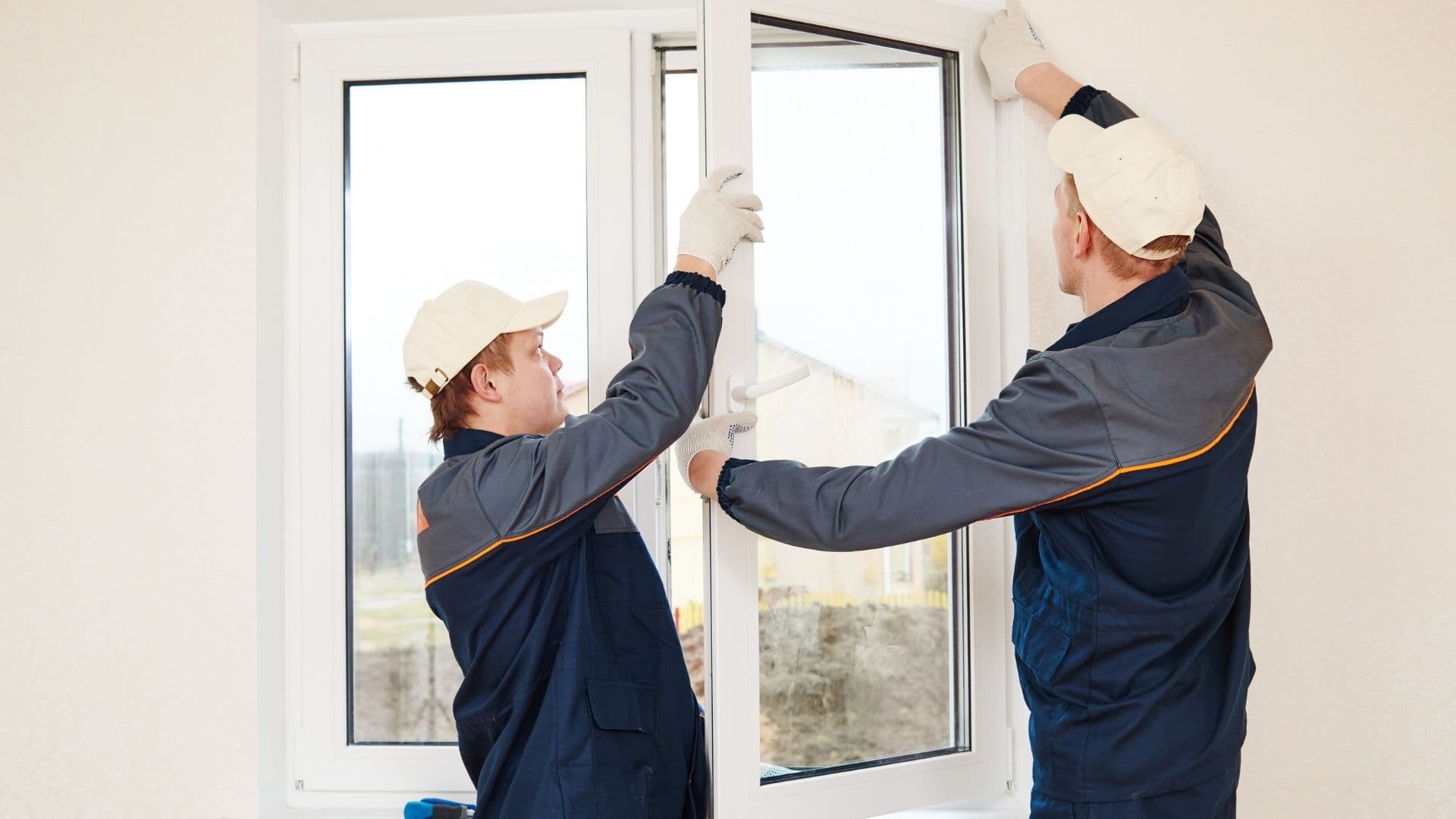
Proper installation maximizes window environmental performance. Windows installed with complete air sealing, appropriate flashing, and thermal break integration perform far better than poorly installed premium products. Choosing installers experienced in high-performance installation ensures your windows deliver maximum environmental benefits.
For Capital Region homeowners, selecting high-performance windows represents the single most impactful window-related environmental choice. Energy savings from upgrading poor-performing single-pane windows to modern triple-glazed units far exceed environmental costs of manufacturing and installation. When considering additional sustainability factors—material sourcing, manufacturing practices, local production—you can further minimize environmental impact while ensuring excellent performance and longevity.
About the Author
Capital Region Windows is an expert at Mastaba Window & Door with extensive knowledge of window and door installation, maintenance, and home improvement. Our team is dedicated to helping homeowners across the Capital Region make informed decisions about their homes.
Tags: